Our work

Practical support.
Everyday inclusion.

Zane’s work spans individual, family, school and community life to expand opportunity and participation.

Every person learns and develops differently. Support must fit the person.

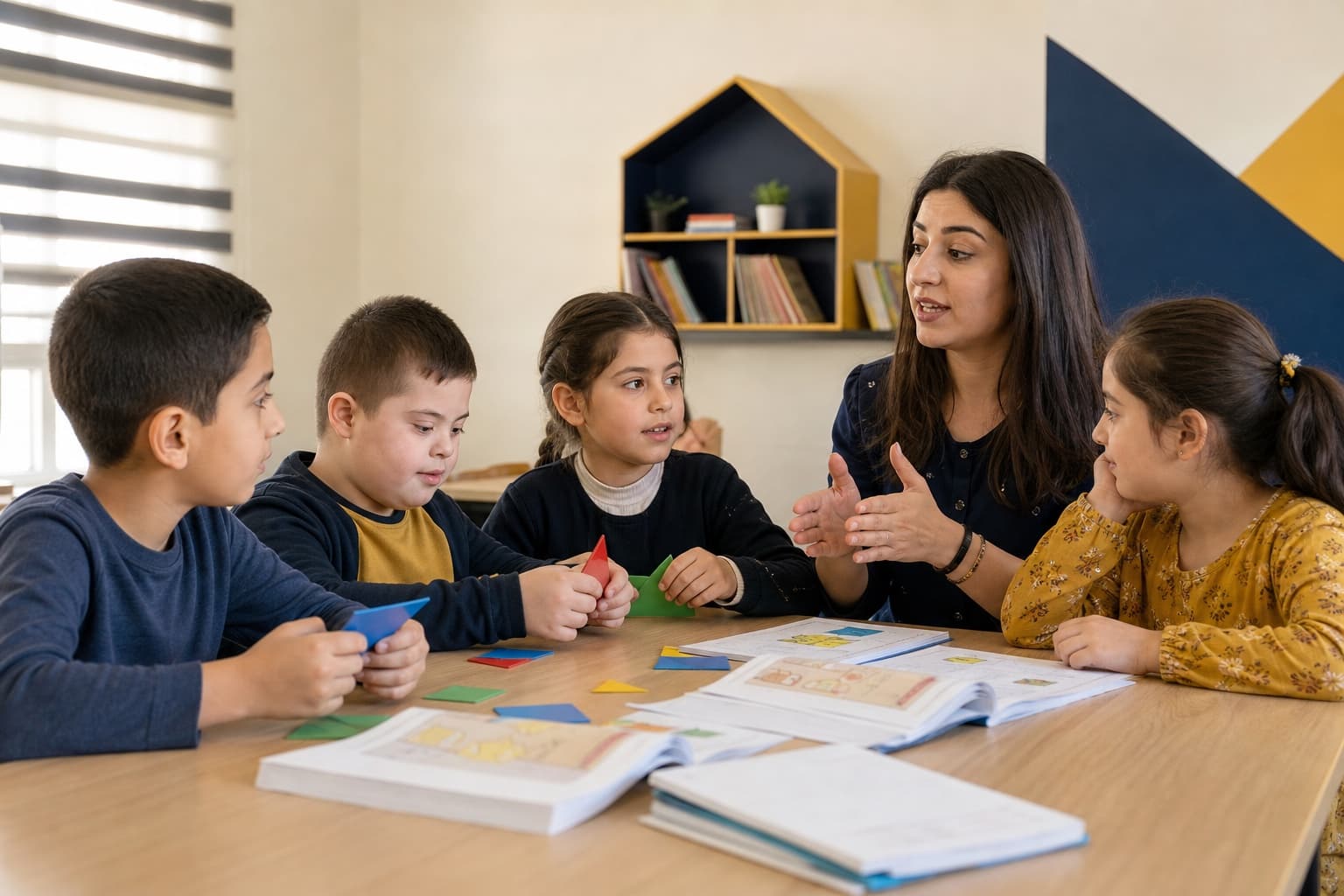
A Kurdish child with Down syndrome takes part in a classroom activity alongside classmates.
Inclusive education

Classroom inclusion is more than attendance: a child learns, makes choices and works alongside classmates.

01

Early support

Early Steps

Primary focus

Expanding access to qualified speech, occupational and physical support during the years when timely help matters most.

Why it matters

Children receive timely, individualized support and families can see and understand progress.

Who it is for

Children, young people and their families

What it includes

  • Guidance toward appropriate support
  • Collaboration with qualified professionals
  • Attention to individual strengths and needs

02

Family guidance

Family Guidance

Primary focus

Clear, multilingual guidance that helps families understand options, find reliable information and choose practical next steps.

Why it matters

Families feel less isolated and make informed decisions without navigating the system alone.

Who it is for

Parents, relatives and caregivers

What it includes

  • Clear, sourced information
  • Guidance on practical next steps
  • Connections to resources and community

03

Inclusive education

My Classroom

Primary focus

Practical teacher training and school support designed to turn inclusion from a promise into an everyday classroom practice.

Why it matters

More schools are prepared to welcome, teach and support learners with different needs.

Who it is for

Schools, teachers and families

What it includes

  • Practical guidance for inclusive classrooms
  • Stronger school–family collaboration
  • High expectations for every learner

04

Public understanding

More Alike Than Different

Primary focus

A rights-led public campaign that replaces pity and stigma with accurate representation, expectation and belonging.

Why it matters

Public language and attitudes move from limitation toward potential, rights and full participation.

Who it is for

Media, institutions, companies and communities

What it includes

  • Respectful language and representation
  • Awareness of rights and participation
  • Support for more inclusive environments

Delivery standards

Respect, safeguarding and quality in every interaction.

01

Listen first

The person’s and family’s priorities shape the relationship.

02

Qualified practice

Guidance and support are connected to qualified people and clear standards.

03

Safeguarding

Safety, consent and privacy come before publicity or convenience.

04

Keep learning

Feedback and community experience improve the way we work.